Planning
Saudi laws every tourist should know
Most visitors never have a problem. The ones who do usually broke a rule they had never heard of. These are the ones that matter, checked against official UK and US advice.
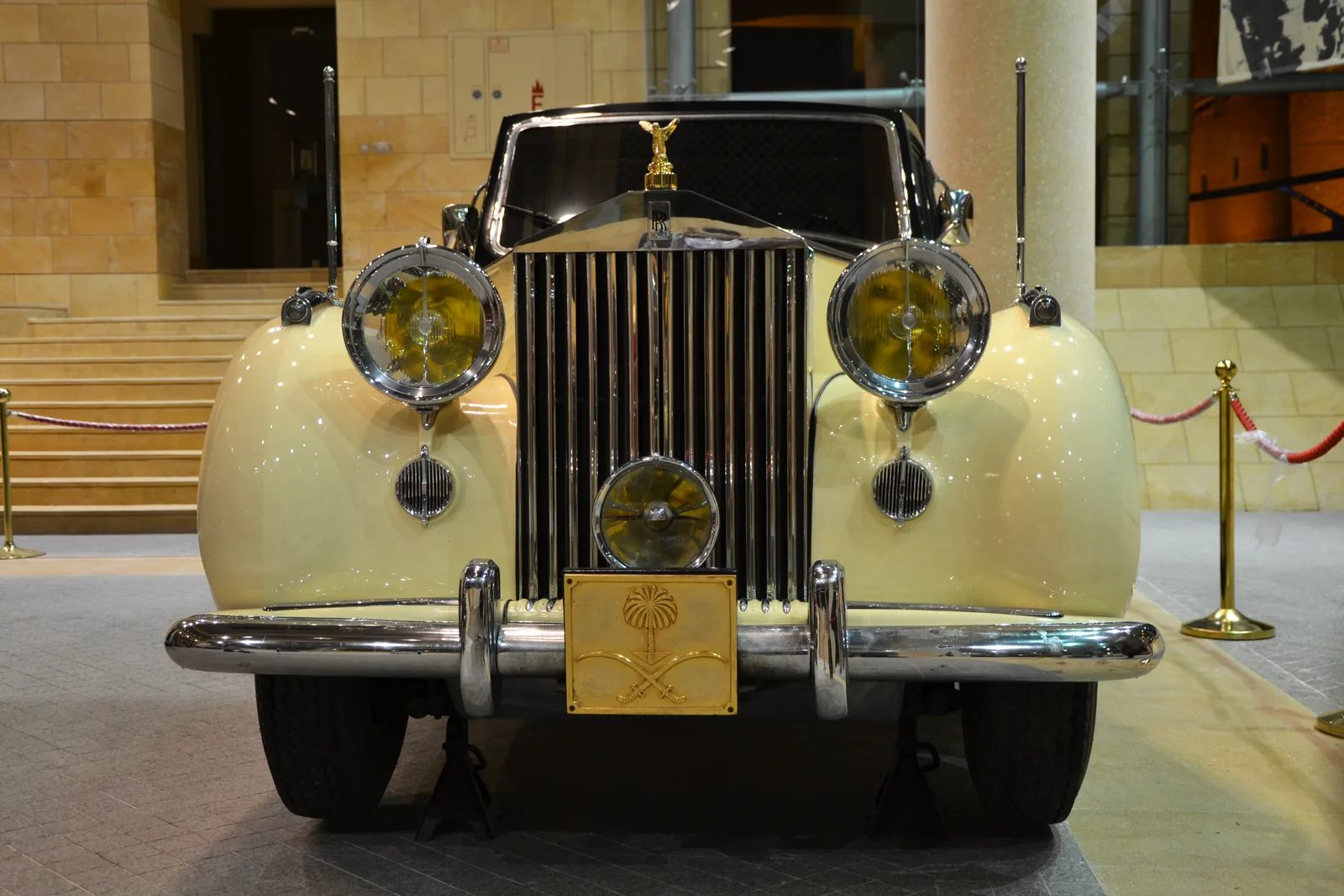 Sammy Six · CC BY 2.0
On this page
The rules at a glance
- Carry ID
- Always. Tourists should carry a copy of their passport and visa (FCDO)
- Alcohol
- Illegal to bring in or be drunk in public; brewing, possessing or selling can mean prison (FCDO)
- Drugs
- Zero tolerance: up to 5 years in prison and a SAR 30,000 (≈ $8,000) fine for small amounts (FCDO)
- Prescription medicines
- Many need approval: register listed prescriptions on the SFDA Controlled Drug System before you travel; it can take weeks (US)
- Unmarried couples
- May share hotel rooms under special arrangements for visitors (FCDO)
- Photos
- Never of government buildings, embassies, military sites or palaces; ask people first (FCDO)
- Social media
- Posts criticising the state, royal family or religion can lead to arrest, even old posts made abroad (FCDO, US)
- Traffic fines
- Logged against your passport on Absher; pay before you leave (FCDO)
Social media and what you say
This is the rule visitors least expect. The FCDO says it is illegal to say anything publicly that the authorities deem disruptive to public order, including comments about the King, Crown Prince or royal family, the government or police, Islam, Saudi culture and public life, and Israel and Palestine. Posts made years ago, or outside Saudi Arabia, can be taken into account.
The US State Department says US citizens have been arrested for past posts, including re-posts and likes, with sentences of up to 45 years. It advises deleting sensitive photos and posts from your accounts and devices before you travel, and not posting, sharing or liking such content while in the country.
Medicines
Many prescription medicines need approval to bring in. The US State Department says to register any listed prescriptions on the Controlled Drug System (CDS) run by the Saudi Food and Drug Authority, and that approval can take several weeks. Start early, and carry your prescription with the medicine in its original packaging.
Alcohol, drugs and vapes
- Alcohol: don’t bring any in or arrive drunk. Being drunk in public is illegal, and the FCDO says British nationals have been arrested for disorderly behaviour after drinking.
- Drugs: zero tolerance. Even small amounts can mean up to 5 years in prison and a SAR 30,000 (≈ $8,000) fine, and smuggling can carry the death sentence (FCDO). Long detention before trial is possible.
Couples, relationships and LGBT+ travellers
- Unmarried tourists may share a hotel room: the FCDO says there are special arrangements for visitors. Sex outside marriage is still illegal.
- Avoid public displays of affection, for any couple (FCDO, US).
- Same-sex relations are illegal, although the FCDO says legal action is uncommon. Visit Saudi says all visitors are welcome and are not required to disclose personal information. Being transgender is not recognised.
Photos and drones
- It is illegal to photograph or film government buildings, embassies, military installations and palaces (FCDO).
- Only photograph local people with their consent (FCDO).
- Don’t film or share images of military activity or attack damage (Canada, FCDO).
- Publishing or broadcasting media content needs permission from the media regulator, GCAM, in advance (FCDO). That matters if you are a creator filming for work.
Money, fines and exit bans
- Traffic fines from cameras are sent by text and recorded on the Absher system against your passport. You must pay them before you leave; at the airport this is only possible during Saudi office hours (FCDO).
- Not paying a hotel or car-hire bill, or a bounced cheque, can lead to a fine, prison or a travel ban (FCDO).
- Exit bans can stop you leaving for years, including over unpaid visa-overstay fees and disputes (US). Don’t overstay your 90 days.
- Carrying two passports is illegal; extra passports are taken, and you must leave on the passport you entered with (FCDO).
Dress, religion and public behaviour
- Dress: the FCDO says men and women should wear loose clothing that covers the elbow and below the knees, and avoid tight clothes, profane slogans and political symbols. Women don’t have to wear an abaya or cover their hair. See our dress code guide.
- Religion: private practice of other religions is accepted, and you can bring religious books for personal use, but trying to convert people is illegal (FCDO).
- Avoid swearing, rude gestures and loud music in public. Public demonstrations are illegal (FCDO).
- In Ramadan, don’t eat, drink, smoke or chew gum in public in daytime, including in your car (FCDO). See our Ramadan guide.
- The Saudi Tourism Authority has banned tourist trips to military zones and border posts (FCDO).
Driving
- Visit Saudi recommends an International Driving Permit, and many hire companies require one. The FCDO says UK photocard licences are valid for the first 3 months.
- Speed-limit signs are often in Arabic numerals: learn 0–9 before you drive (Visit Saudi).
- Hazard lights from cars ahead usually mean speed bumps or cameras (Visit Saudi).
- Off-roading should be done with a licensed guide or rescue team, not alone (Visit Saudi). See car hire in Saudi Arabia.
Questions travellers ask
Can unmarried couples share a hotel room in Saudi Arabia?
Yes. The UK FCDO says there are special arrangements for visitors and unmarried tourists may share hotel rooms.
Can I bring my prescription medicine to Saudi Arabia?
Usually, but many medicines need approval. Register listed prescriptions on the SFDA Controlled Drug System before you travel. The US State Department says this can take several weeks.
Can tourists drink alcohol in Saudi Arabia?
No. It is illegal to bring alcohol in or be drunk in public, and brewing, possessing or selling it can lead to prison.
Can my old social media posts get me in trouble in Saudi Arabia?
They can. The UK and US governments both warn that past posts, including those made abroad, have been used in prosecutions. The US advises deleting sensitive content before you travel.
Do I have to pay traffic fines before leaving Saudi Arabia?
Yes. Fines are recorded on Absher against your passport and must be paid before you leave. At the airport you can only pay during Saudi office hours.
Keep planning
Safety
Is Saudi Arabia safe?
Every government’s current warning, what it means by destination, and insurance.
Planning
Dress code & etiquette
The actual rules for women and men, and the etiquette that matters.
Plan your trip
Ramadan 2027
Visiting Saudi Arabia in Ramadan 2027 (about 8 February – 9 March)? What is open, eating in public, opening hours, iftar and suhoor, Eid al-Fitr and how to plan sightseeing.